

Lake Mburo National Park
Lake Mburo National Park is a remarkably accessible and diverse wildlife reserve located in western Uganda, making it the country's closest savanna park to the capital, Kampala. Although it is the smallest of Uganda's savanna national parks, covering an area of approximately 370 square kilometers, it boasts habitats, including open savannas, acacia woodlands, rocky ridges, forests, and an extensive network of wetlands fed by the park's five lakes, including the namesake Lake Mburo. This varied ecosystem supports a surprising concentration of flora and fauna, offering a unique and often peaceful safari experience away from the crowds of larger parks.
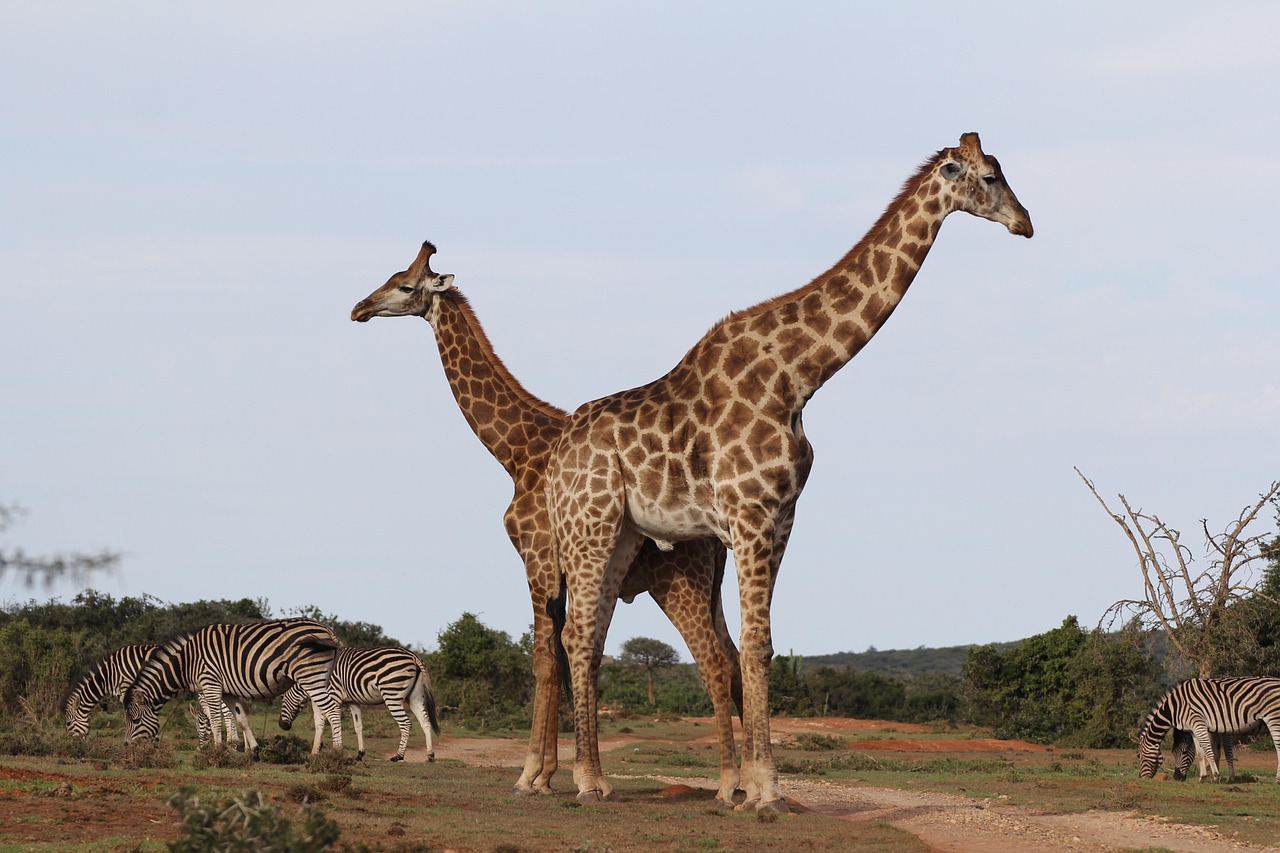
It is renowned for being the only place in Uganda where you can easily spot large herds of Burchell's zebra and the graceful impalas (from which the capital city, Kampala, derives its name). The park is also home to Africa’s largest antelope, the Eland, alongside other grazers like buffaloes, topis, waterbucks, and the recently reintroduced Rothschild's giraffes. While it lacks elephants and lions, it is considered one of the best places in Uganda for spotting the elusive leopard, especially on night game drives. It's also a paradise for birders, with over 350 recorded species, including the rare African Finfoot and the endemic Red-faced Barbet.
What truly sets Lake Mburo apart is the variety of unique activities it offers. Unlike most other Ugandan parks, the absence of elephants and lions makes guided nature walks and walking safaris possible in most areas, allowing visitors to get closer to the animals, such as at the famous salt lick area. The park is also one of the few places in Uganda to offer exciting horseback safaris and cycling safaris, providing a different, non-motorized perspective on the savanna. A boat cruise on Lake Mburo is a popular highlight, offering close-up views of hippos, large crocodiles, and a spectacular array of waterbirds.
Cycling and Walking Safaris in Lake Mburo National Park
One of the most thrilling and intimate ways to experience Lake Mburo National Park is by embarking on a cycling safari, an activity unique among Uganda's national parks. Since the park is relatively free of large, aggressive predators like lions and elephants (which are often kept separate by fences or natural barriers), visitors are permitted to leave the safari vehicles and explore the park's network of dirt roads and established trails on two wheels. This offers a profoundly different, more immersive perspective than a traditional game drive, allowing you to feel the air, hear the sounds of the savanna, and get closer to the ecosystem's finer details.
The cycling routes cater to various fitness levels, ranging from short, flat rides to more challenging half-day adventures, such as the famous 33-kilometer Impala Circuit or the scenic climb up to Kazuma Hill for panoramic views. Throughout the ride, you'll be accompanied by an armed Uganda Wildlife Authority (UWA) ranger, who not only ensures your safety but also shares expertise on the local flora and fauna. On the pedals, you can expect to ride alongside grazing herds of Burchell's zebra and impala, and frequently encounter warthogs, topi, waterbucks, and even the magnificent elands and giraffes. This active, eco-friendly adventure offers a truly memorable connection with the Ugandan bush, combining exercise with incredible wildlife viewing.
The walking safari is arguably the signature activity of Lake Mburo National Park, offering a rare and profoundly intimate connection with the African bush that is generally not possible in other Ugandan parks. Because Lake Mburo does not have lions and elephants (and leopards are rarely seen and are shy), visitors can safely disembark their vehicles and explore the savanna on foot, always accompanied by an armed Uganda Wildlife Authority (UWA) ranger. This slow-paced, immersive experience allows you to engage all your senses—smelling the acacia, hearing the rustle of grass, and focusing on the ecosystem's finer details, such as animal tracks, insects, and smaller birdlife. Popular routes include the early morning walk to the western side of the lake to view hippos returning to the water, and the walk to the famous salt lick, where you can quietly observe large herds of zebra, impala, buffalo, and eland gathering to taste the salty soil.


Access to Lake Mburo
Lake Mburo National Park is renowned as one of Uganda's most accessible national parks, primarily via the well-maintained Kampala–Masaka–Mbarara highway. Located approximately 240 kilometers southwest of the capital, Kampala, the road journey typically takes about 3.5 to 4 hours, making it an ideal stopover for travelers heading to or from the country's western parks. Visitors traveling by road can enter through several gates, with the Nshara Gate and Sanga Gate being the most frequently used, each branching off the main highway with a short drive (about 5-13 km) on murram tracks to the park headquarters at Rwonyo.
For a quicker option, domestic charter flights are available from Entebbe International Airport or Kajjansi Airfield to the Mbarara Airstrip (Nyakisharara), which is about a 1.5-hour drive by road from the park entrance. Whether opting for a self-drive adventure (a 4x4 vehicle is highly recommended, especially during the rainy seasons) or a guided tour, the park's convenient location distinguishes it from many of Uganda's more remote safari destinations.