

UGANDA SAFARI HOLIDAYS
3 Days Uganda Gorilla Trekking Safari

Safari Overview
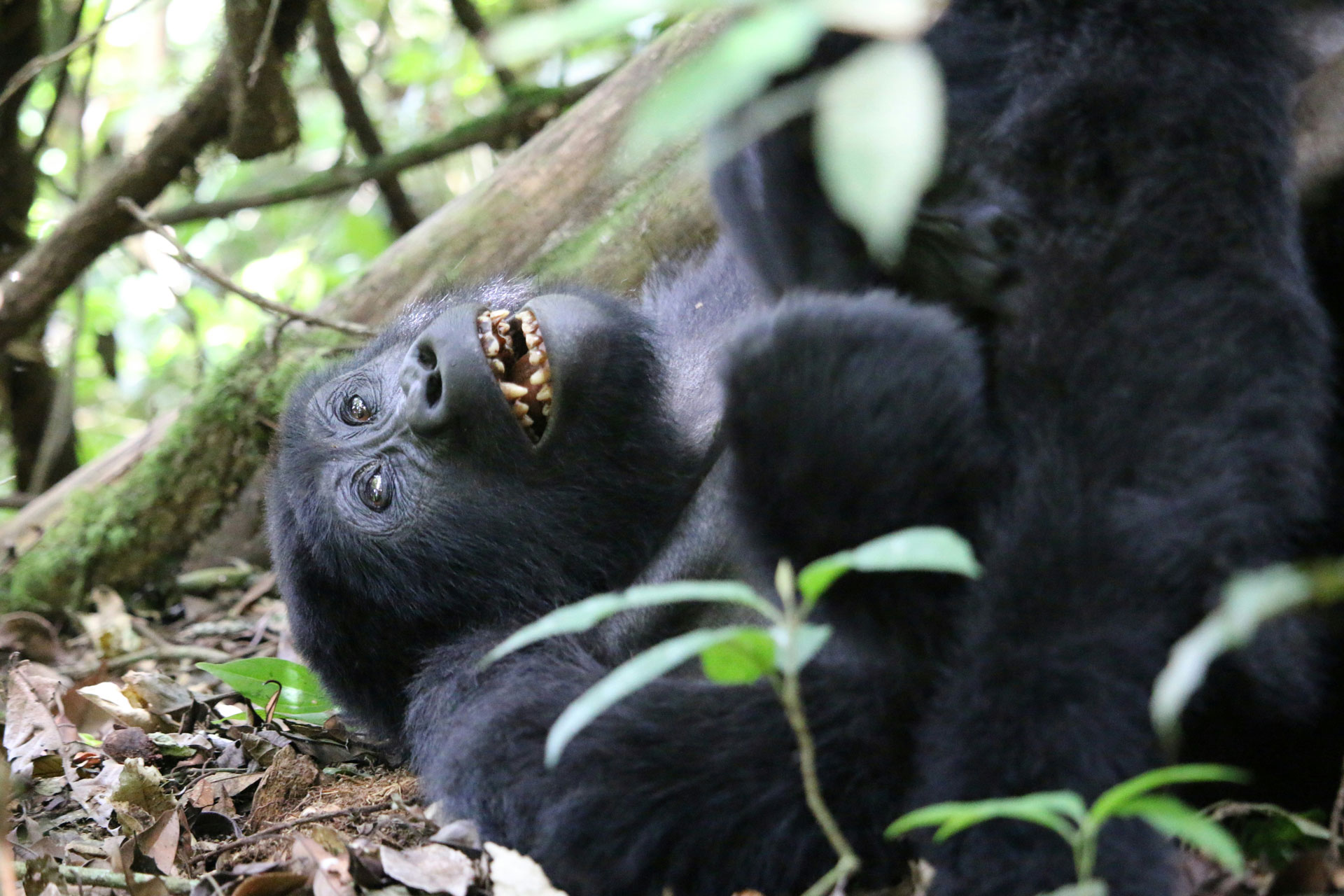
A 3-day gorilla trekking safari in Uganda is a deeply rewarding adventure focused primarily on encountering the endangered Mountain Gorillas in their natural habitat, usually at Bwindi Impenetrable Forest National Park or Mgahinga Gorilla National Park. This 3 day fly in itinerary maximizes your time in Bwindi Impenetrable National Park, allowing for a focused and less strenuous experience with the critically endangered mountain gorillas.
We will also focus on minimizing your carbon footprint, choosing accommodations with strong eco-credentials, and ensuring your community engagement provides maximum benefit.
Safari Summary
Day 1: Arrival at Entebbe International Airport. Transfer to the Bwindi Forest area via domestic flight.
Day 2: Gorilla Trekking
Day 3: Flight back to Entebbe
Detailed Itinerary
Day 1: Arrival at Entebbe International Airport & transfer to Bwindi
Early breakfast and transfer to Entebbe International Airport (EBB) or Kajjansi Airfield. Board a scheduled domestic flight (e.g., to Kihihi Airstrip for Northern Bwindi or Kisoro Airstrip for Southern Bwindi). The flight takes approximately 1.5 to 2 hours. You will be met by your safari guide and transferred via 4x4 vehicle to your lodge (approx. 1 to 2 hours, depending on the airstrip and sector). Check in, enjoy lunch, and have the rest of the afternoon to relax or enjoy the lodge amenities in preparation for the trek. Dinner and overnight stay.
Day 2: Gorilla trekking
Early breakfast before transferring to the park headquarters. You will receive an essential briefing from the Uganda Wildlife Authority (UWA) rangers on gorilla behavior, safety rules, and what to expect. You will be assigned to one of the habituated gorilla families, typically in groups of 8 trekkers. The adventure begins! Led by expert trackers and armed rangers, you hike deep into the rainforest. The duration can vary widely, from 2 to 8 hours, depending on where the gorilla family is located that day. This is a strenuous activity involving steep, slippery, and dense jungle terrain. (Porters are highly recommended to assist with bags and stability, also acts as a great way to support the local community) Upon finding the family, you are allowed one hour observing the gorillas. You must maintain a distance of at least 7 meters (21 feet) and follow all guide instructions. Flash photography is strictly prohibited. Return to the park headquarters, receive your gorilla trekking certificate, and transfer back to the lodge to relax.
Day 3: Transfer back to Entebbe
Enjoy a final breakfast. Depending on your flight schedule, you may have time for a short optional activity like a cultural visit to the local Batwa (Pygmy) community. Short transfer (approx 1-2 hours) back to Kihihi or Kisoro Airstrip. Board your domestic flight back to Entebbe International Airport (EBB) or Kajjansi Airfield. Arrive in Entebbe. You will be transferred to your onward international flight or hotel, concluding the fly-in safari.
A flight back to Entebbe drastically cuts the road time and carbon emissions of the final day. To offset the flight's impact, we usually donate a percentage of the proceeds to Uganda's Carbon offset programs of reforestation.

Essential Safari Insights
Gorilla Permits
A valid gorilla trekking permit is mandatory for Day 2.
The permit costs USD $800 per person for non-resident foreigners. This fee is generally included in the overall safari package price.
Permits are limited and highly sought after. It is crucial to book them many months in advance, especially for peak season travel.
Best Time to Go
The driest months, which offer the easiest trekking conditions on the forest trails, are generally considered the best time to visit.
Long Dry Season: June, July, and August.
Short Dry Season: December, January, and February.
Note: Bwindi is a rainforest; rain can occur at any time, regardless of the season.
What to Pack for the Trek
Given the muddy, steep, and wet conditions, specialized gear is
necessary:
Footwear: Sturdy, waterproof hiking boots with good ankle support.
Clothing: Long-sleeved shirts and long trousers (ideally water-resistant) to protect against stinging nettles and thorns.
Rain Gear: A lightweight rain jacket or poncho (essential for the rainforest).
Hands: Thick gardening gloves (to grip vines and vegetation without cutting your hands).
Accessories: A wide-brimmed hat, sunglasses, insect repellent, and sunscreen.
Gear: A daypack (waterproof cover is a plus), two liters of drinking water, and energy-giving snacks.
Photography: Camera with extra batteries/memory cards (the trek is long!), and remember: no flash.
About this Safari
Safari Includes
- All ground Transportation
- Gorilla Trekking Permit
- Domestic Flight
- English-speaking guide.
- Accommodation in eco-friendly lodges on a full board basis.
- Park entry and activities.
Safari Excludes
- International Flights
- Items of a private nature (laundry, beverages, etc.)
- Before or after the safari, any hotel stays
- Travel protection
- Gratuities and tips